Swimming with Turtles
Snorkel beside wild sea turtles in the calm west coast water
Swimming with Turtles
Swim beside wild green and hawksbill turtles in the calm water off the west coast, by boat or from the beach, and learn why you should watch and never touch or feed them.
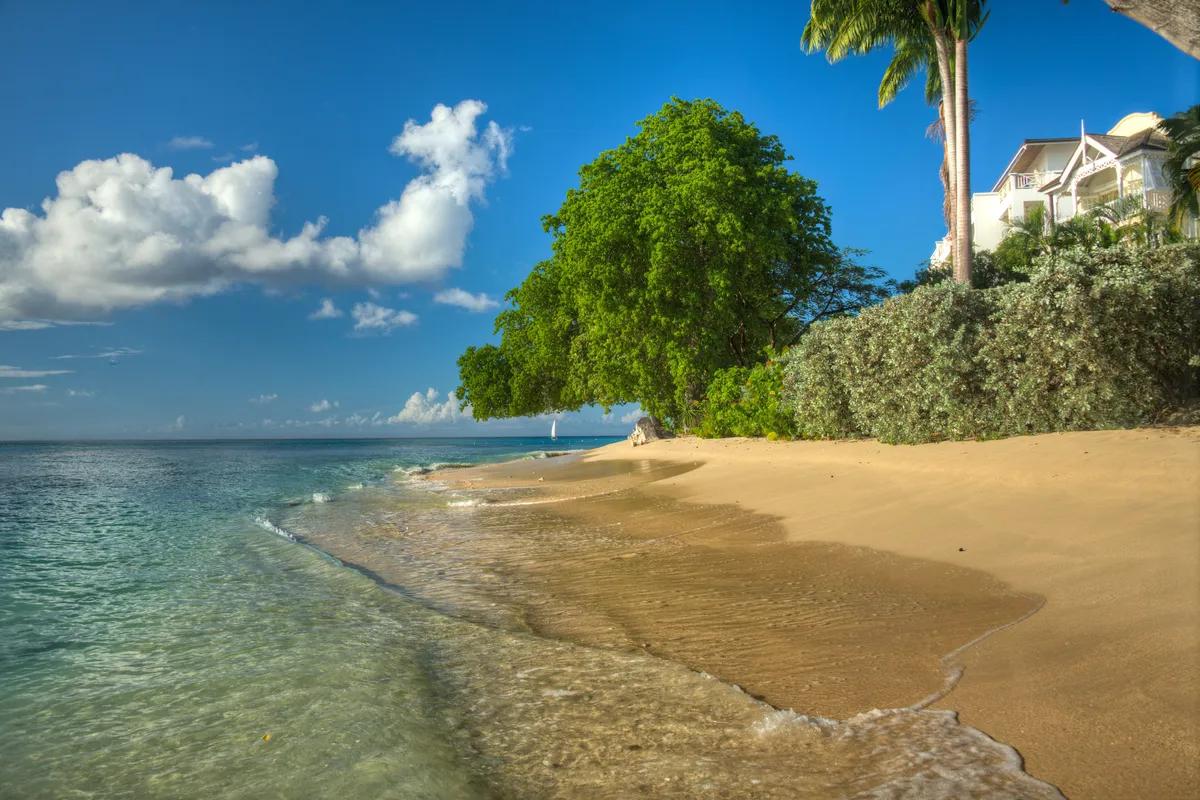
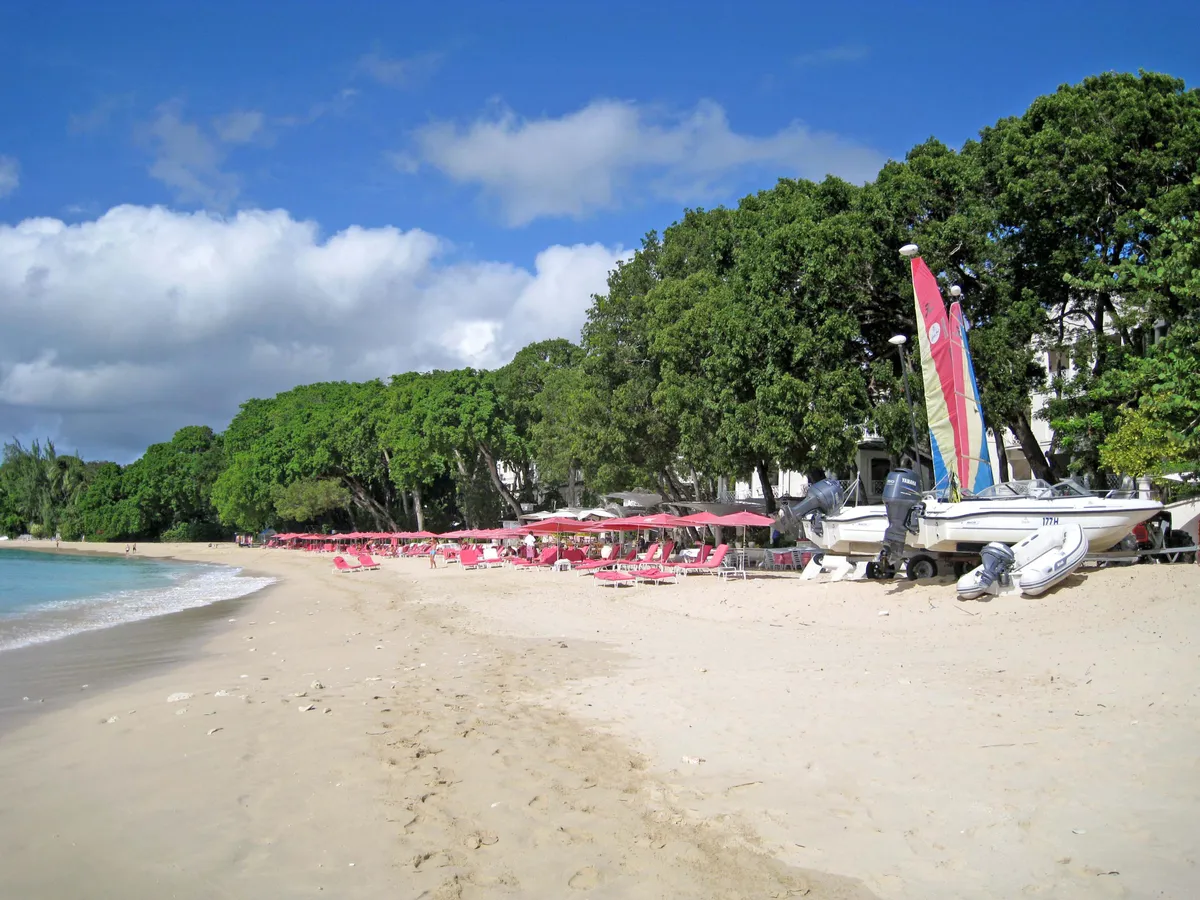
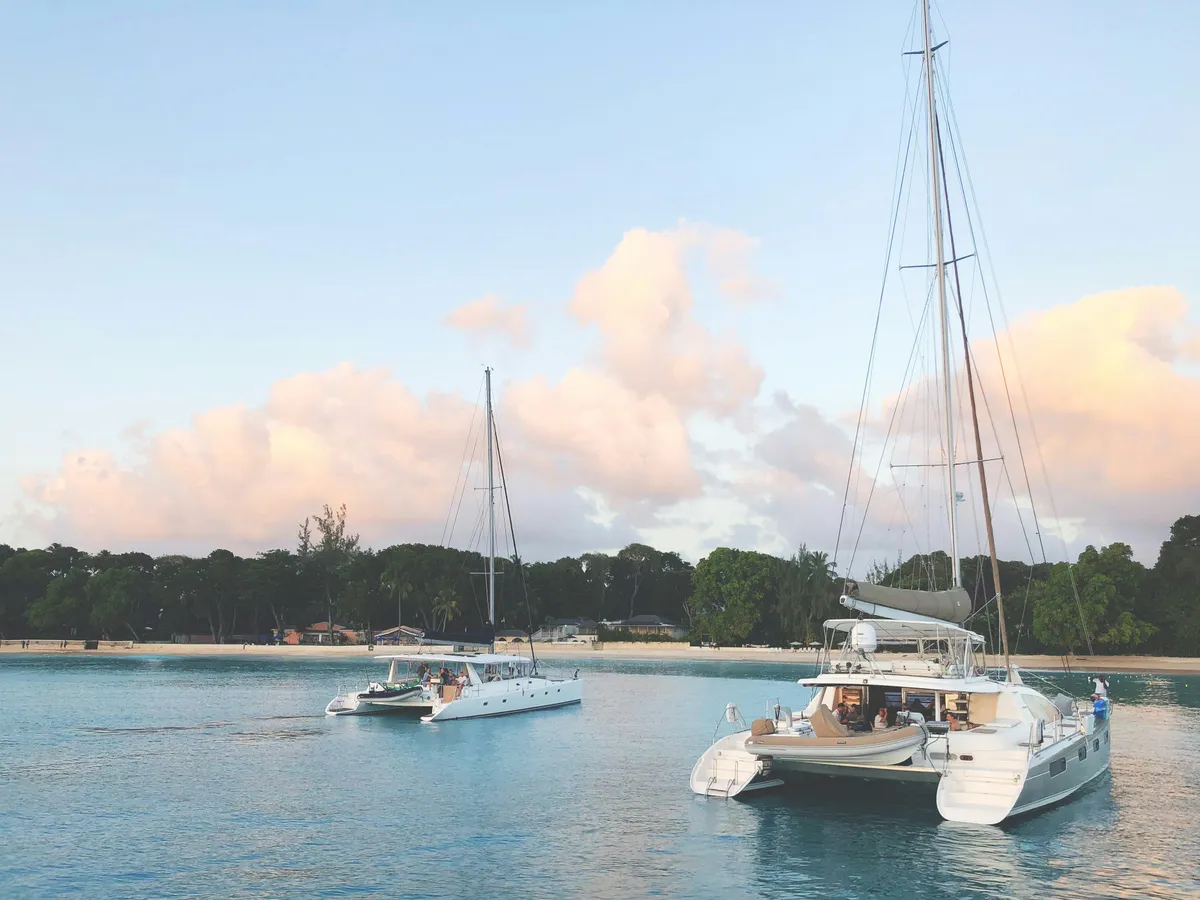
Seeing a sea turtle glide past while you float above it is the moment many visitors to Barbados remember longest. The calm, clear water of the west coast, from Carlisle Bay by Bridgetown north to Paynes Bay and the Holetown coast, is where most turtle swims happen, either on a boat trip that stops over a known feeding area or by snorkelling out from the sand.
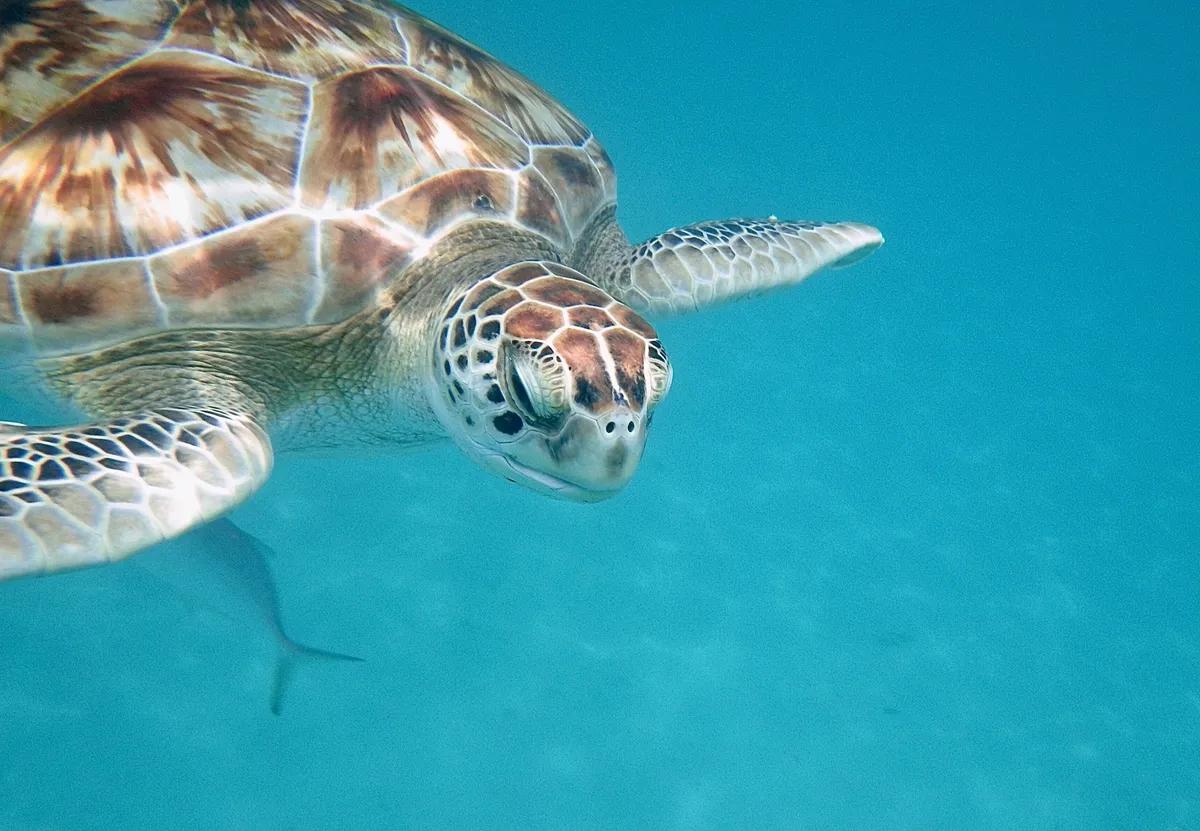
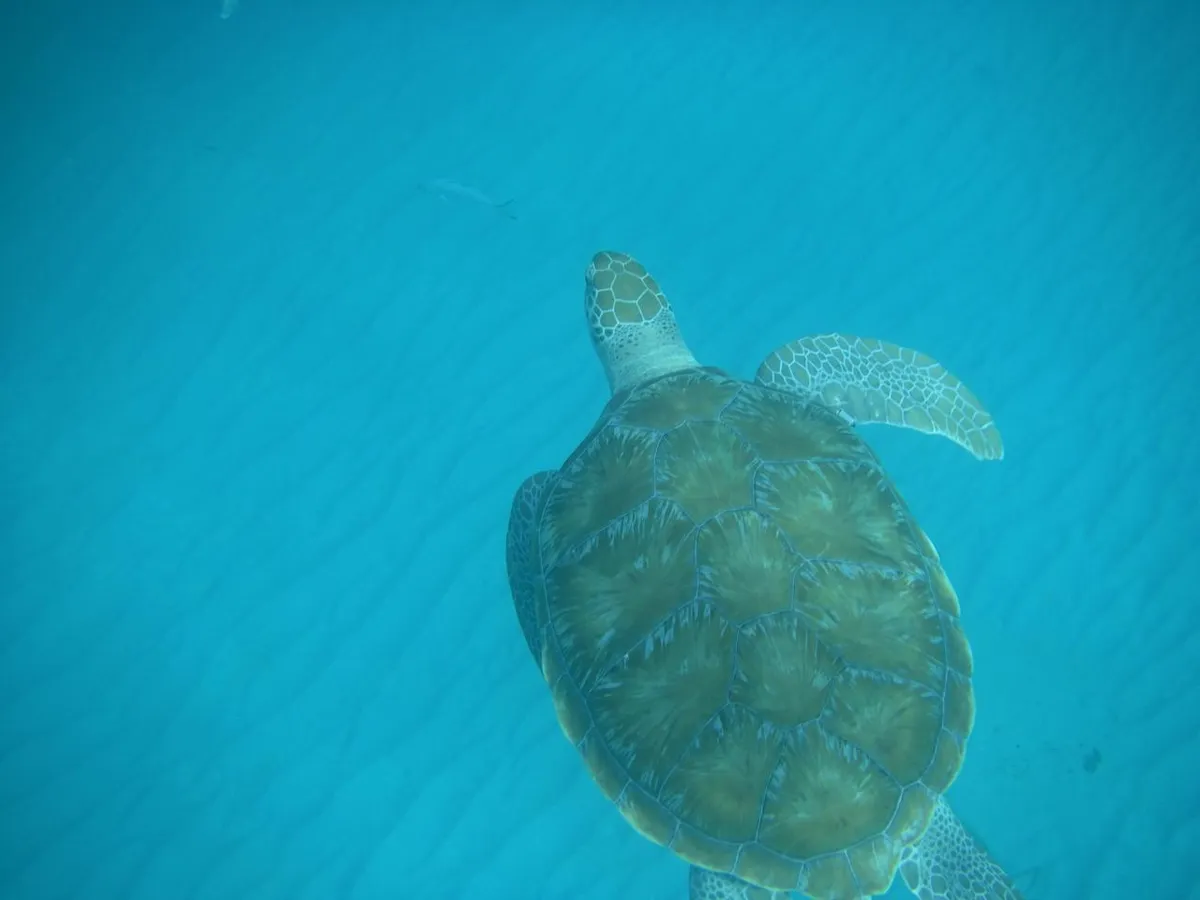
The turtles you meet in the water are mostly juveniles. The Barbados Sea Turtle Project, a programme of the Wild Isle Trust, records green turtles feeding on seagrass and algae around the island and young hawksbills living on the west coast reefs. Both are wild animals: green turtles are globally listed as Least Concern and hawksbills as Critically Endangered.
Why touching and feeding matter
The project notes that turtles at the popular west coast sites are usually fed fish by the boats that bring visitors, and that these fed turtles grow faster and weigh more than turtles of the same size feeding naturally. It is working with veterinary researchers to find out whether this harms their health. Until that is settled, the cautious choice is simple: do not feed the turtles, and do not touch, chase, hold or ride them. All sea turtle species are protected by law in Barbados. The Fisheries Division states that physical exploitation of sea turtles is prohibited under the Sustainable Fisheries Management and Development Act 2025.
- Keep your hands to yourself and let the turtle choose how close it comes.
- Never block a turtle's way up to the surface: it has to breathe air.
- Choose a trip that lets you watch rather than one sold on hand-feeding, and ask the crew about it before you book.
- Keep your fins off the seabed and the reef, and take nothing from the water.
On the beach
Hawksbills also nest on Barbados beaches. The project monitors the west and south coasts nightly from 1 June to 15 November, and leatherbacks nest on the east coast from March to July. If you see a turtle nesting or hatchlings on the sand, keep back, keep lights off and report it to the project's sea turtle hotline on (246) 230-0142.
Most turtle swims are part of a catamaran cruise or a shorter snorkel boat trip. If you would rather go on your own, read our snorkelling guide first and stay inside the swimming areas, away from boat traffic. The Carlisle Bay Marine Park page covers the wider bay.
What to know before you go
Plan this experience
The essentials for booking Swimming with Turtles and getting there.
Photo gallery
Green sea turtle swimming over a sandy seabed in clear water off Barbados
Photo: Derek Hatfield from Peterborough, Canada via Wikimedia Commons · CC BY 2.0 (https://creativecommons.org/licenses/by/2.0)
Frequently asked questions
Keep reading
Travel Guides
Helpful guides for planning your trip to Holetown and the St James coast
More to Explore in Holetown and the St James coast
Discover beaches, attractions, activities, and more in the same area