St Lucy and the northern tip
St Lucy is the rural north of Barbados: cliffs and jagged shoreline washed by the Atlantic, the Animal Flower Cave at the northern tip, and a slower pace of life.
St Lucy and the northern tip
St Lucy is the rural north of Barbados: cliffs and jagged shoreline washed by the Atlantic, the Animal Flower Cave at the northern tip, and a slower pace of life.
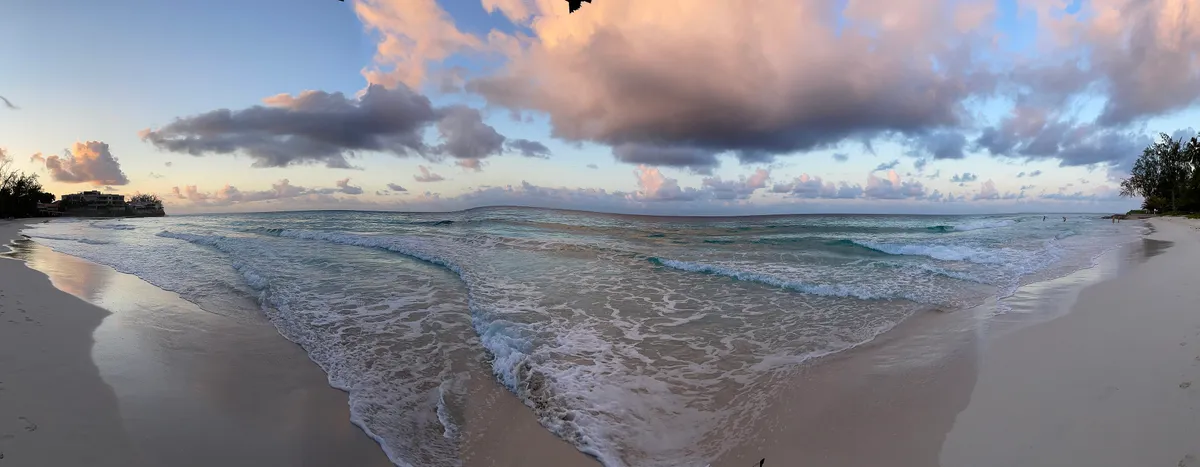
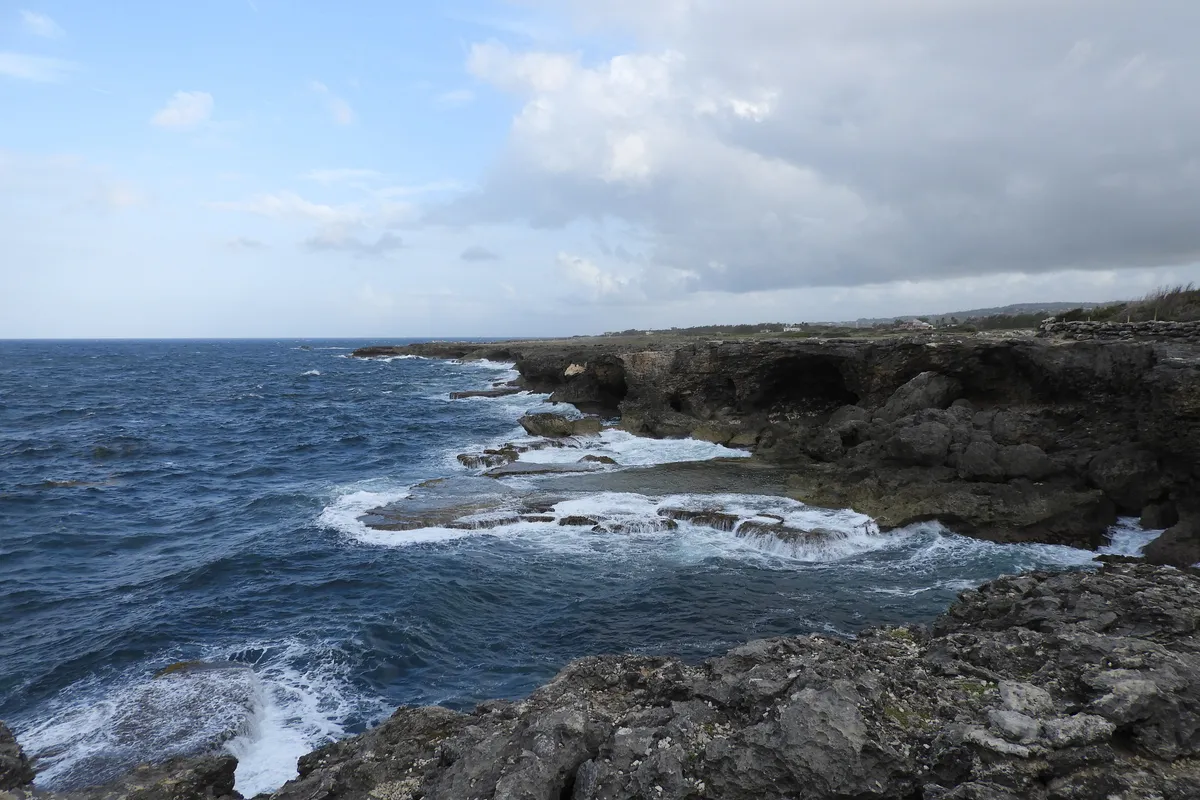
St Lucy is the northernmost parish of Barbados, a rural area of farms, small villages, rum shops and churches that sees far fewer visitors than the coasts to the south. The tourism board describes it as kissed on the north, east and west by the Atlantic, and the scenery is dramatic: rugged cliffs, a jagged shoreline and small white-sand coves tucked between the rocks. Life here moves noticeably slower than on the west and south coasts.
The main sight is the Animal Flower Cave at the northern tip of the island, a sea cave with openings to the ocean and rock pools of clear water, with a restaurant on the clifftop above. Elsewhere in the parish, the Harrison Point Lighthouse stands on the coast, and the north-west shore has a few small bays worth seeking out on a calm day. This is not a beach-holiday base: the open Atlantic swell makes most of the northern coast unsafe for swimming, and facilities are few.
What to do
- Visit the Animal Flower Cave and look out from the cliffs at the northern tip.
- Drive the quiet country roads, stopping at village rum shops and churches.
- Combine the north with St Nicholas Abbey, Cherry Tree Hill and the Morgan Lewis Windmill on one loop.
- Finish with a swim back on the calm west coast at Heywoods Beach near Speightstown.
St Lucy works best as a day trip by car or on a tour, usually from the west coast. Public buses reach the parish, but services are less frequent than on the coast road. Bring water and sun protection, wear shoes with grip around the cliffs and cave, and stay well back from the edge when the sea is up.
Speightstown is the nearest town and the obvious base, with Holetown further south. For the rest of the Atlantic side, continue down the east coast to Bathsheba. Our things to do in Barbados guide shows how to fit the north into a longer trip.
Practical information
Photo gallery
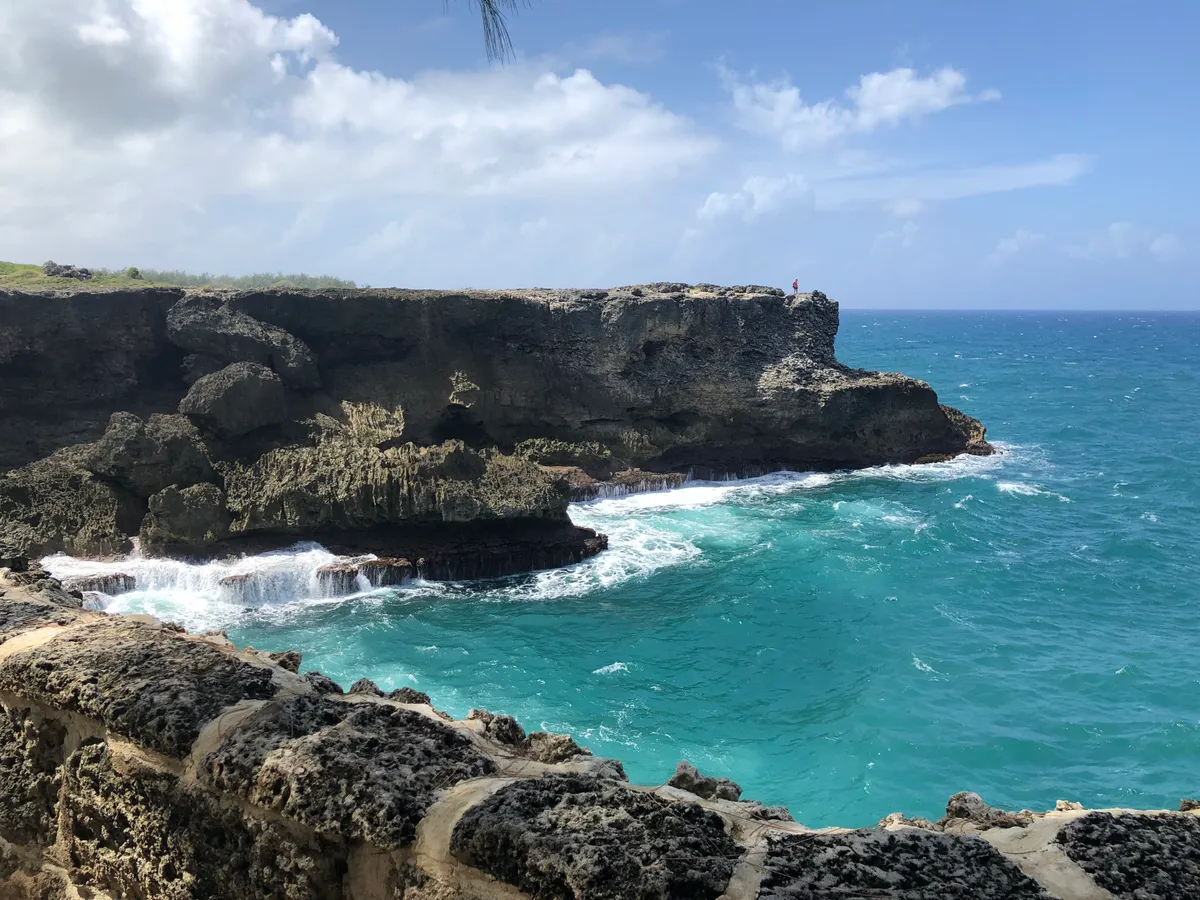
Rocky cliffs and Atlantic waves at North Point, St Lucy, Barbados
Photo: GrimsbyT via Wikimedia Commons · CC BY-SA 4.0 (https://creativecommons.org/licenses/by-sa/4.0)
St Lucy and the northern tip questions
What is St Lucy known for?
+
St Lucy is the rural northern parish of Barbados, known for Atlantic cliffs, a jagged shoreline with small coves, and the Animal Flower Cave at the northern tip. It is quieter than the coasts to the south, with farms, rum shops and village churches.
What is the Animal Flower Cave?
+
The Animal Flower Cave is a sea cave at the northernmost tip of Barbados, with openings to the ocean and rock pools of clear water. There is a restaurant above it, and it is a regular stop on tours of the north. As of November 2026, cave tours run Tuesday to Sunday, waves permitting.
Can you swim in St Lucy?
+
Most of the northern coast is exposed to the Atlantic and unsuitable for swimming. For a swim, head back to the calm west coast at Heywoods Beach near Speightstown.
How do you get to St Lucy?
+
A car or a tour from the west coast is easiest. Public buses reach the parish, but services are less frequent than on the main coast roads, so check return times before you set off.
Is St Lucy worth a day trip?
+
Yes, if you want to see the wilder side of Barbados. Combine the Animal Flower Cave with St Nicholas Abbey, Cherry Tree Hill and the Morgan Lewis Windmill for a loop of the north, then finish on the west coast.
Keep exploring
Nearby Destinations
Explore more places near St Lucy and the northern tip