Holetown and the St James coast
Holetown is the heart of the St James coast: the site of the first English settlement in 1627, calm Caribbean beaches, Folkestone Marine Park and the Holetown Festival.
Holetown and the St James coast
Holetown is the heart of the St James coast: the site of the first English settlement in 1627, calm Caribbean beaches, Folkestone Marine Park and the Holetown Festival.
Holetown is the main town on the west coast of Barbados, in the parish of St James, and the place where Barbados's colonial history began. In February 1627 a group of English settlers landed here aboard the William and John, with ten enslaved Africans captured on the voyage, and founded a settlement first named Jamestown after King James I. Today the town is a compact strip of shops, restaurants and the Limegrove Lifestyle Centre, set along the coast that the Barbados tourism board calls the platinum coast.
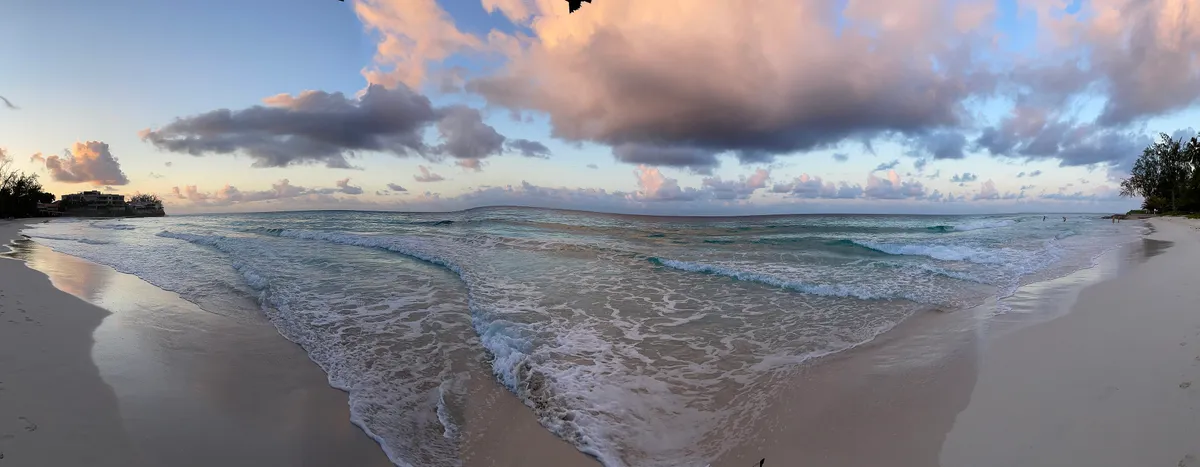
The coast either side of Holetown is the calm Caribbean shore that most people picture when they think of Barbados: sheltered bays, clear water and sand backed by hotels and villas. Folkestone Beach sits beside the Folkestone Marine Park, where the marine reserve offers reef snorkelling, while the offshore Stavronikita wreck is a separate dive excursion. South of town, Paynes Bay and Sandy Lane Beach are calm swimming bays, and boat trips along this shore stop for swimming with turtles.
What to do
- Snorkel or dive at the Folkestone Marine Park from Folkestone Beach.
- Join a catamaran cruise to swim with turtles off Paynes Bay.
- Come in February for the week-long Holetown Festival of parades, music and food stalls.
- Drive inland to Harrison's Cave and Welchman Hall Gully, or play golf on the west-coast courses.
The west coast is generally a higher-priced area to stay, with many high-end hotels and villas, but it is also easy to visit cheaply: the beaches have public access paths and the coast road buses run between Bridgetown and Speightstown all day. Sea conditions vary with the weather, and a rum punch at sunset over the Caribbean is part of the ritual. Even on this sheltered side, follow local advice on currents before swimming far out.
Speightstown is a short drive north, and Bridgetown is south along the coast. For the contrast with the wild east coast, take a day trip across the island to Bathsheba. Our where to stay guide compares the west and south coasts.
Practical information
Photo gallery
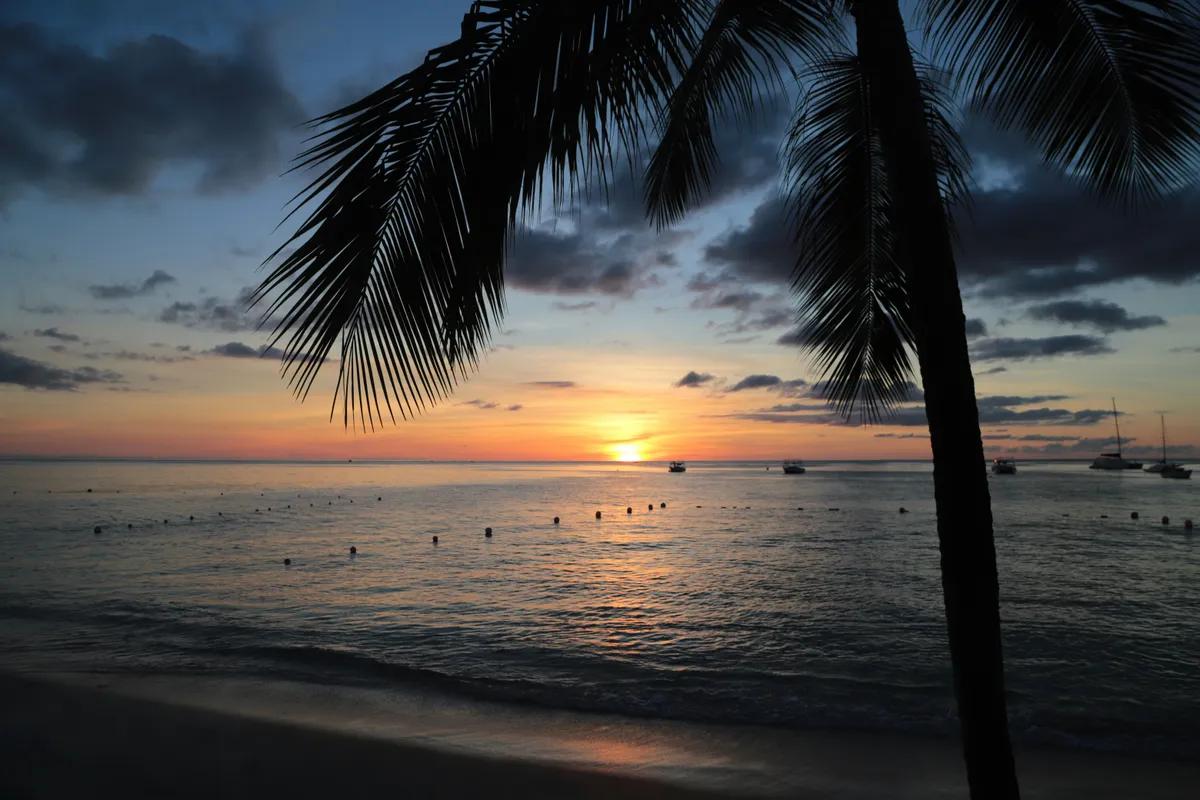
Sunset over the sea at Holetown, Barbados, with palm fronds and moored boats
Photo by Bruce Barrow on Unsplash · Unsplash License
Top attractions
Beaches here
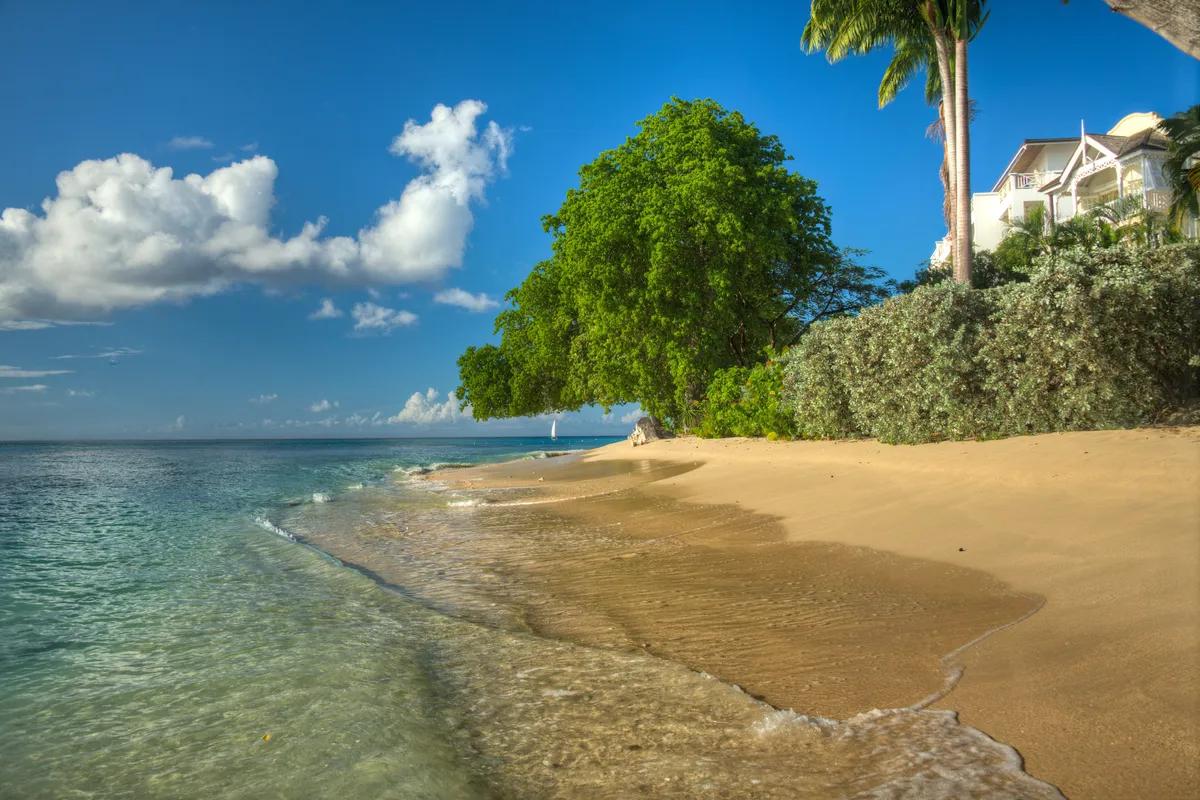
Paynes Bay
A calm St James bay between Batts Rock and Sandy Lane, named by Visit Barbados as a place to find sea turtles by swimming. Clear, usually calm water.
Folkestone Beach
The beach of Folkestone Marine Park, just north of Holetown: a protected inshore reef for snorkelling, a sunken barge, a marine museum and shaded picnic tables.
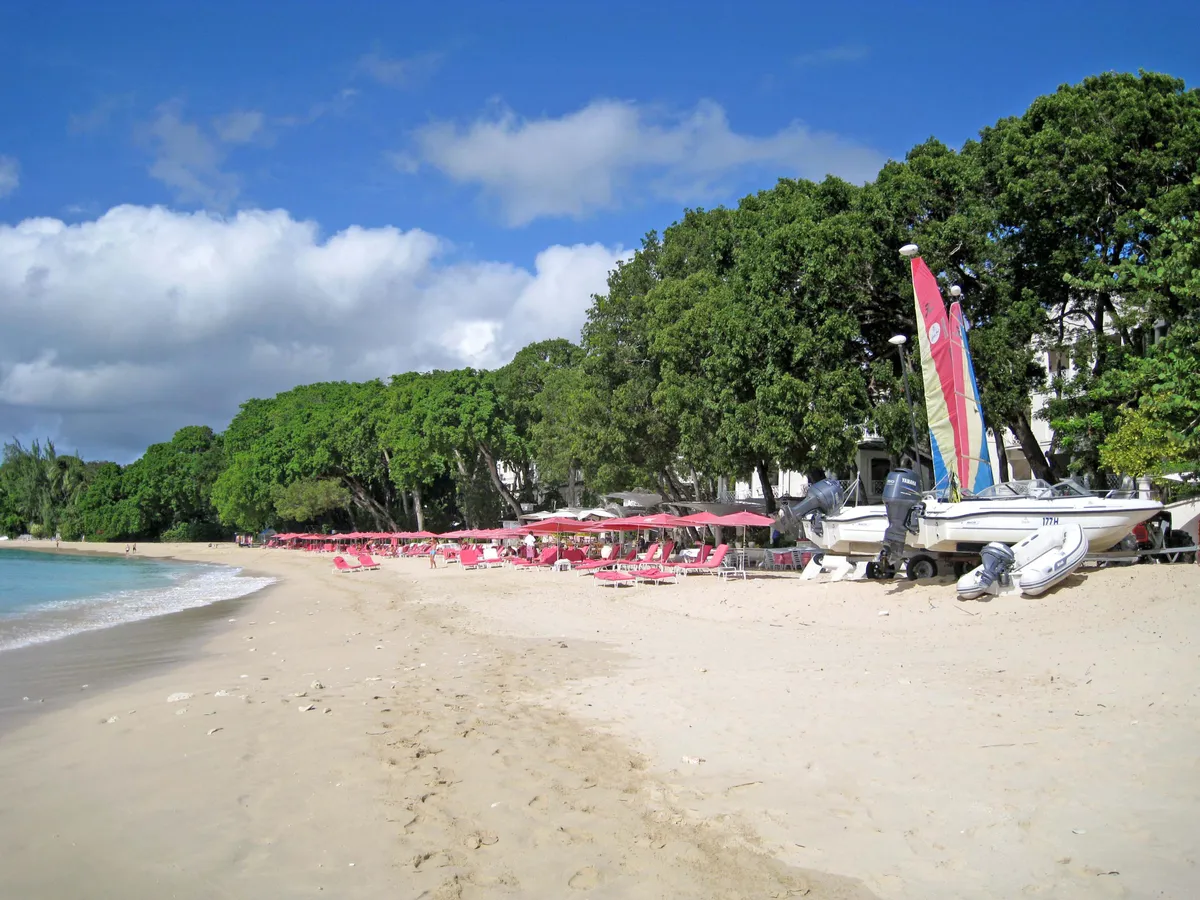
Sandy Lane Beach
A golden-sand bay on the St James coast with clear, gentle water and nearby reefs. Public access paths lead to the sand; bring a picnic, as services are few.
Activities & experiences
Holetown and the St James coast questions
Why is Holetown important in Barbados history?
+
Holetown is where English settlers landed in February 1627 aboard the William and John, with ten enslaved Africans captured on the voyage. The settlement was first named Jamestown, after King James I, and this landing is treated as the start of Barbados as an English colony.
Can you swim with turtles near Holetown?
+
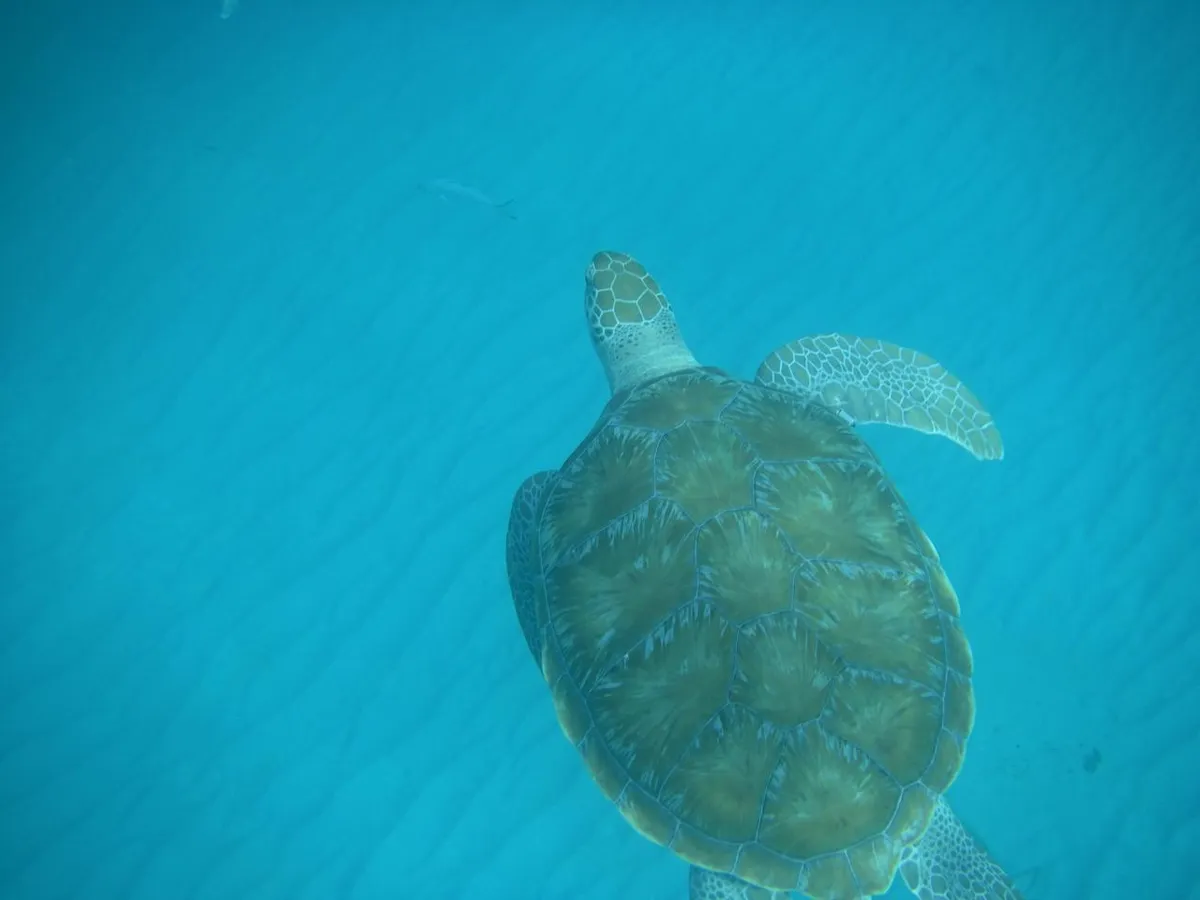
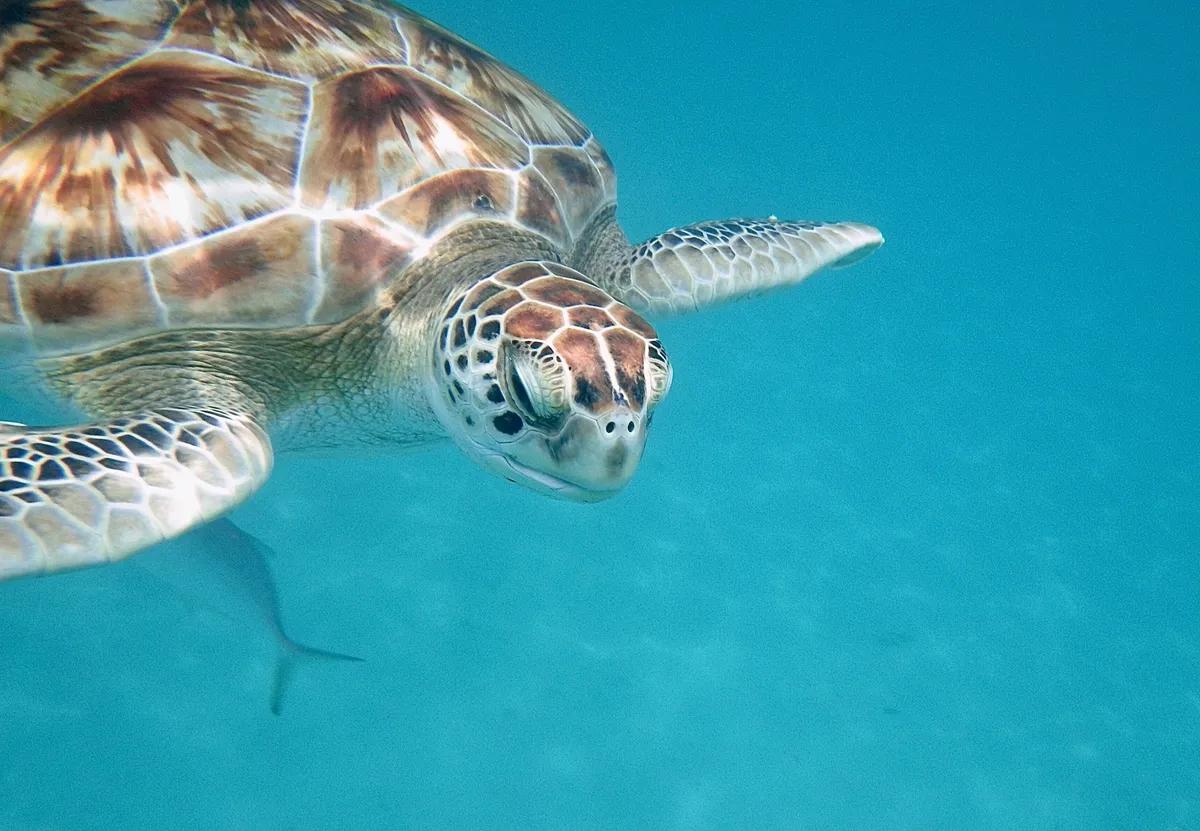
Yes. Turtle swims are among the most popular trips on the west coast, with boats and catamarans stopping at turtle spots along the St James shore. Choose an operator that does not feed or handle the turtles.
What is the Folkestone Marine Park?
+
The Folkestone Marine Park sits beside Folkestone Beach at Holetown. The park offers reef snorkelling; ask a dive operator separately about an excursion to the offshore Stavronikita wreck.
When is the Holetown Festival?
+
The Holetown Festival runs for a week in February in the town where the first settlers landed, with parades, music, fashion shows and stalls selling Bajan food and crafts. Check the organisers for the next dates before you travel.
Is the west coast calmer than the east coast?
+
Yes. The west coast faces the Caribbean Sea and is sheltered, with calm, clear water most of the year. The east coast faces the open Atlantic, with big waves and strong currents, and swimming is not recommended on many east-coast beaches.
Keep reading
Travel Guides
Helpful guides for planning your trip to Holetown and the St James coast
Keep exploring
Nearby Destinations
Explore more places near Holetown and the St James coast