Things to Do in Barbados: A Guide by Interest
Things to do in Barbados by interest: calm west coast beaches, turtle swims in Carlisle Bay, Harrison's Cave, the gullies and gardens, UNESCO-listed Bridgetown, rum distilleries, the wild east coast and Oistins on a Friday.
By Barbados 365 Editorial Reviewed by Alex Borshch, Founder & Editor
Published November 16, 2026 · 9 min read
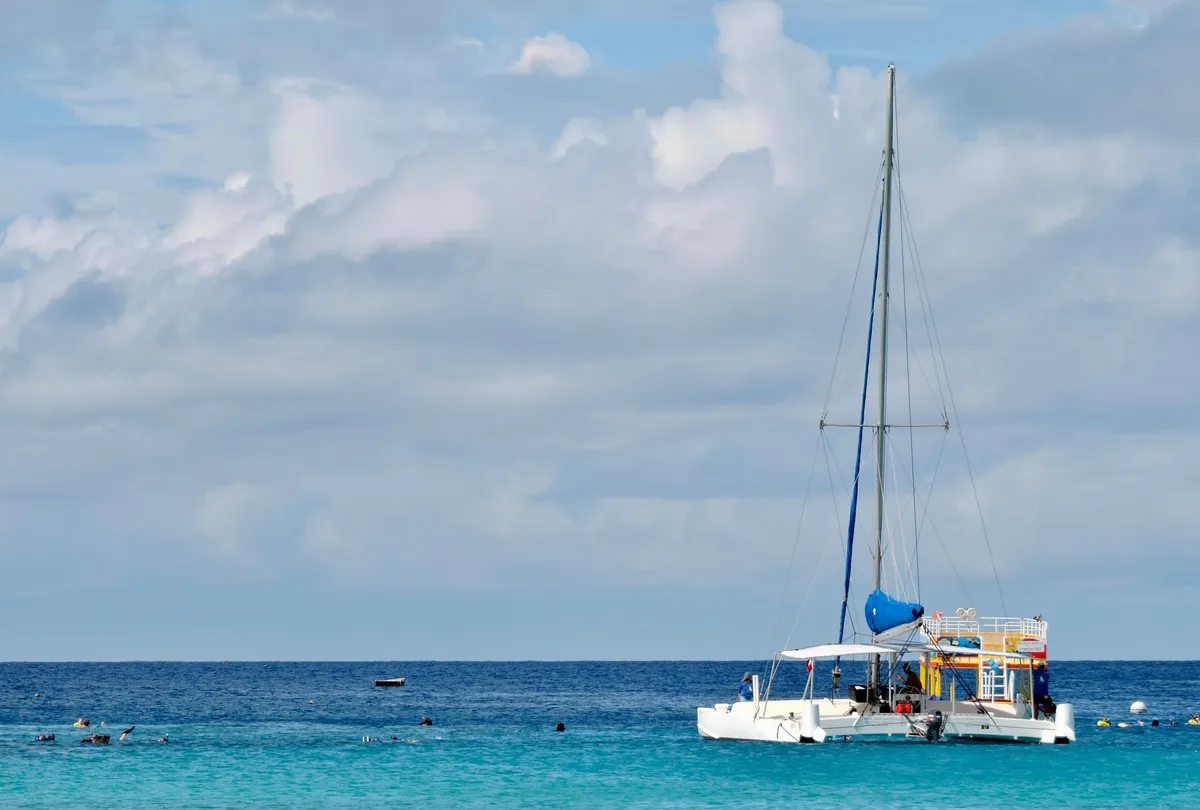
Barbados is a small island with a lot of variety packed into it. The sheltered west coast faces the Caribbean Sea, the south coast catches the trade winds, and the east coast takes the full force of the Atlantic. Inland, the land rises into limestone ridges cut by deep gullies, with caves underneath and old plantation houses on top. This guide sorts the best things to do by interest, so you can build days around what you like rather than a checklist. Each item links to its own page with practical details.
Beaches, coast by coast
The coast you pick decides the kind of beach day you get. For a full comparison, read our guide to the best beaches in Barbados.
West coast: calm water and snorkelling
The St James and St Peter shoreline is the calm side of the island, usually the best for swimming and snorkelling straight off the sand. Paynes Bay and Sandy Lane Beach are long, sheltered curves; Folkestone Beach sits beside the Folkestone Marine Park near Holetown; Mullins Beach and Gibbes Beach are options further north, and Heywoods Beach runs north of Speightstown.
Carlisle Bay: the beach next to the capital
Just south of Bridgetown, Carlisle Bay includes Pebbles Beach. Brighton Beach is a separate beach off the Spring Garden Highway. The Carlisle Bay Marine Park is known for diving and snorkelling over shipwrecks.
South coast: lively and breezy
The Christ Church coast has more bars and restaurants behind the sand and more wind in front of it. Accra Beach (Rockley Beach) and Dover Beach suit an easy day near cafes. Miami Beach (Enterprise Beach) near Oistins has a calmer side and a rougher side. Silver Sands Beach, near the southern tip, is where the wind picks up and the kitesurfers gather.
South east: cliffs and pink-tinged sand
In St Philip the coast turns wilder. Crane Beach sits below a cliff with waves that roll in hard, while Bottom Bay and Foul Bay are broad, quiet coves. Check access before setting out. Check the sea before swimming here: the Atlantic side has strong currents on many days.
Turtles and the sea
Swimming with turtles is a popular boat trip on the island. Visit Barbados names Carlisle Bay, Holetown, Dover Beach and Drill Hall as the top places to spot sea turtles, and it advises snorkellers that touching or feeding them is not advised. Hawksbill, green and leatherback turtles all occur in Barbados waters, and harvesting turtles or possessing turtle products has been illegal since 1998.
Turtle swims are offered as part of catamaran cruises along the west coast, combined with a stop over the wrecks in Carlisle Bay. If you would rather go at your own pace, snorkelling from the beach works well on calm days on the west coast. Divers have reefs and wrecks a short boat ride away (see scuba diving), and anyone who would rather stay dry can see the reef from a submarine tour out of Bridgetown. Deep-sea fishing charters head offshore for bigger fish.
Caves
Harrison's Cave in the centre of the island is a cave system carved in coral limestone, toured on an electric tram that takes you deep underground. It is one of the best options for mixed-age groups and for a wet afternoon. At the northern tip, the Animal Flower Cave in St Lucy is a sea cave at the edge of the cliffs, with pools and openings looking straight out to the ocean; access to the lower cave depends on the sea that day. As of November 2026, the cave opens Tuesday to Sunday, 9:30am to 4pm, waves permitting.
Gardens and gullies
The interior of Barbados is cut by gullies, steep-sided ravines where forest survived when the surrounding land was cleared for sugar. Several are now gardens you can walk through.
- Welchman Hall Gully: a long, shaded walk through a gully close to Harrison's Cave, easy to combine in one morning.
- Hunte's Gardens: a garden planted into a sinkhole, with paths and seating among dense greenery.
- Flower Forest: trails through a former plantation with views over the hills.
- Andromeda Botanic Gardens: a hillside garden above the sea near Bathsheba.
- Turner's Hall Woods and Farley Hill National Park for woodland walking and views of the Scotland District.
Nearby, the Barbados Wildlife Reserve is the place to see green monkeys at close range. For longer walks, see hiking in Barbados.
Bridgetown and the Garrison
The capital and the military Garrison to its south were inscribed together on the UNESCO World Heritage List in 2011 as Historic Bridgetown and its Garrison. Start in Bridgetown with the neo-Gothic Parliament Buildings and the Nidhe Israel Synagogue and its museum, then head south to the Garrison. There, George Washington House marks where the future US president stayed as a young man, and the Barbados Museum tells the island's story from its first inhabitants onward. The Garrison Savannah is also where you can watch horse racing.
Rum
Barbados and rum are tied together. The Mount Gay Visitor Centre near Bridgetown offers tastings; the brand dates itself to 1703. In St Philip, Foursquare Rum Distillery is a working distillery that welcomes visitors. In the north, St Nicholas Abbey pairs a Jacobean great house built in 1658 with its own rum and a Victorian steam railway on the estate. Our page on rum tasting and distillery tours compares the options. At the bar, try rum punch, or the non-alcoholic bark drink mauby.
The east coast
The Atlantic side feels like a different island: boulders standing in the surf, empty beaches and hills behind. Bathsheba is the centre, with Bathsheba Beach and its surf break, the Soup Bowl, alongside Bath Beach to the south, where reefs make the water calmer, and the long sweep of Cattlewash to the north. The UK government advises that swimming is not recommended on many east-coast beaches because currents are particularly strong, so treat this coast as one for walking, photographs and lunch.
On the way, stop at Cherry Tree Hill for the view over the Scotland District, the restored Morgan Lewis Windmill, and Gun Hill Signal Station in the centre of the island for views across to the south coast.
Food and the Friday fish fry
The Oistins Fish Fry in Oistins runs through the week, but Visit Barbados calls Fridays there extra special, with locals and tourists gathering to eat, dance and sing karaoke. Crowds are large and food queues can be long, so arrive early or go on a quieter weekday. Order grilled or fried fish with macaroni pie, and look out for the national dish, cou cou and flying fish.
Elsewhere, try Bajan fish cakes, a cutter (a salt-bread sandwich), pudding and souse and sweet coconut bread. If your dates line up, the Barbados Food and Rum Festival and the Oistins Fish Festival are built around eating.
Sport
- Cricket at Kensington Oval: a cricket ground in Bridgetown; a match day is one of the best ways to see Barbadians at leisure.
- Surfing: the south coast has gentler breaks for lessons; the Soup Bowl at Bathsheba is for experienced surfers.
- Kitesurfing and windsurfing around Silver Sands, where strong winds attract windsurfers and kitesurfers.
- Golf and polo for a slower afternoon of sport, played or watched.
- Race days at the Garrison Savannah, including the Sandy Lane Gold Cup.
- Run Barbados for runners, and Barbados Sailing Week for sailors.
With children
Families can consider the west coast, checking local flags and conditions before children swim. Good days out for children include the tram ride through Harrison's Cave, the monkeys and tortoises at the Barbados Wildlife Reserve, a submarine tour and a turtle snorkel from a catamaran. Ask the operator about boarding arrangements, life jackets and suitability for children before booking. The steam railway at St Nicholas Abbey is a hit with younger children. For a full plan, see the 7-day family itinerary.
A rainy day
Tropical showers in Barbados are often short, but a wet afternoon is the time for indoor or covered sights: Harrison's Cave, the Barbados Museum, the Nidhe Israel Synagogue museum, a tasting at Mount Gay or a tour of Sunbury Plantation House. Check the weather page and our guide to the best time to visit Barbados for the wetter months.
Putting it together
A short stay covers one coast, Bridgetown and a day inland; a week lets you add the east coast, a rum tour and a turtle trip without rushing. Our 5-day itinerary and 7-day itinerary lay out the days, and getting around Barbados explains buses, taxis and car hire. For festival dates, see events, starting with Crop Over in summer and the Holetown Festival.
Frequently Asked Questions
What is the most popular thing to do in Barbados?
A catamaran trip along the west coast with a turtle swim and a snorkel over the Carlisle Bay wrecks is the classic day out. Visit Barbados lists Carlisle Bay, Holetown, Dover Beach and Drill Hall as the top places to spot turtles.
Can you swim on the east coast of Barbados?
Mostly no. The UK government advises that swimming is not recommended on many east-coast beaches because the currents are particularly strong, and you should follow local warnings. Visit Bathsheba for the scenery and swim on the west or south coast.
When is the best night for the Oistins Fish Fry?
Friday is the big night, with music, dancing and large crowds. Expect queues for food. If you want a calmer evening, go on another weekday.
Is Bridgetown a UNESCO World Heritage Site?
Yes. Historic Bridgetown and its Garrison was inscribed on the UNESCO World Heritage List in 2011. The property covers the old town centre and the Garrison area to the south, including the Garrison Savannah.
What can you do in Barbados when it rains?
Harrison's Cave, the Barbados Museum, the Nidhe Israel Synagogue museum, rum tastings and plantation houses all keep you mostly under cover. Showers are often brief, so a beach afternoon may still be possible later.
Is it okay to touch the turtles?
No. Visit Barbados advises that touching or feeding the turtles is not advised. Sea turtles are protected in Barbados, and harvesting them or possessing turtle products has been illegal since 1998.
Photo gallery
Catamaran anchored on turquoise Caribbean water with snorkelers nearby in Barbados
Photo by Gavin Fregona on Pexels · Pexels License