Where to Stay in Barbados: West, South or East Coast
Choosing where to stay in Barbados: compare the west coast around Holetown and Speightstown, the south coast from Hastings to St Lawrence Gap and Oistins, the Crane, Bathsheba and Bridgetown by traveller type, sea conditions and transport.
By Barbados 365 Editorial Reviewed by Alex Borshch, Founder & Editor
Published November 16, 2026 · 9 min read
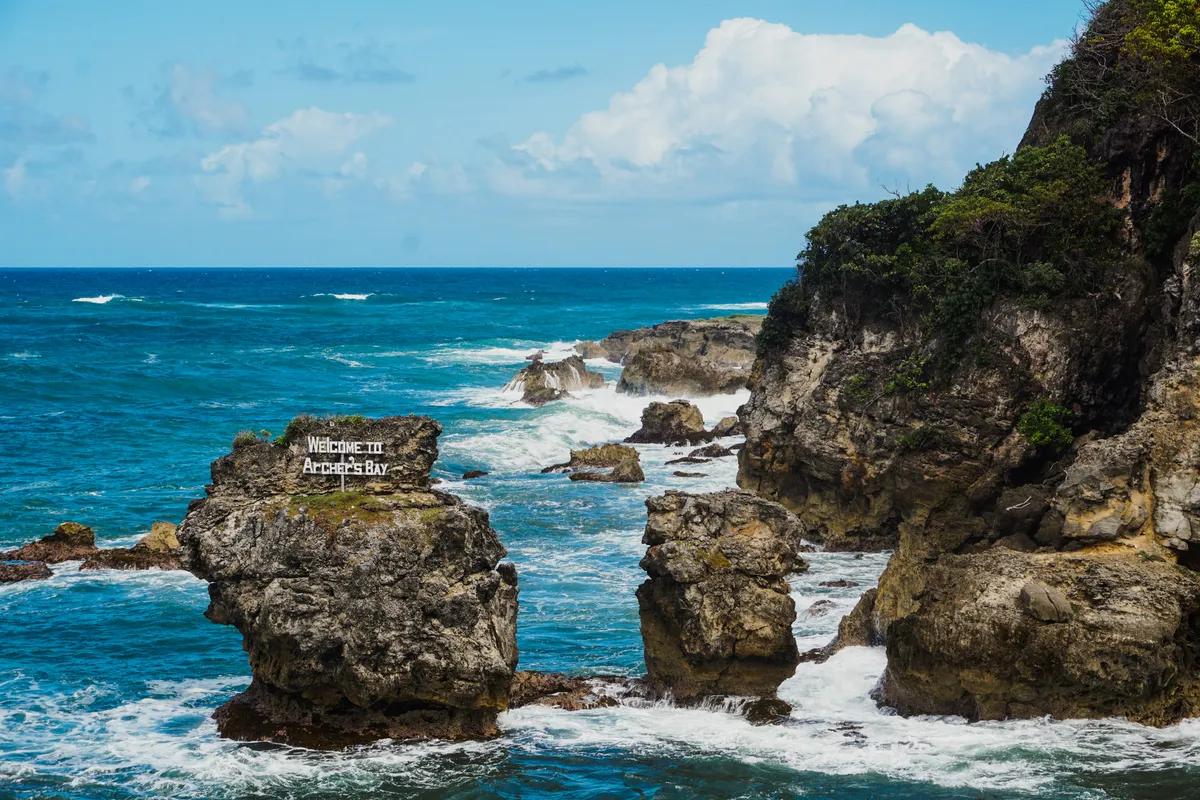
Barbados is small enough to tour from any base, but the coast you sleep on shapes every day of the trip: what the sea is like in front of you, how far the restaurants are, and how long you spend in traffic. The island has contrasting coastlines. The west faces the calm Caribbean Sea, the south catches the trade winds and has nightlife, and the east takes the open Atlantic. This guide compares each area by who it suits, what the water is like and how you get around, so you can choose the area before you choose the room.
The short answer
| Area | Best for | Sea | Getting around |
|---|---|---|---|
| Holetown and the St James coast | Couples, families, snorkellers | Usually calm | Coast-road buses, taxis, car |
| Speightstown | Quiet stays, local feel | Usually calm | Buses to Bridgetown, car helps |
| Hastings, Rockley and Worthing | First-timers, longer stays, mid-range budgets | Generally swimmable, some chop | Frequent buses, walkable |
| St Lawrence Gap and Dover | Nightlife, groups, couples | Generally swimmable | Buses, walk to bars |
| Oistins and Miami Beach | Food lovers, local atmosphere | Mixed: calm and rough sides | Buses, near the airport |
| The Crane and St Philip | Quiet, scenery, honeymoons | Atlantic swell, check daily | Car or taxi |
| Bathsheba | Surfers, walkers, writers | Mostly not for swimming | Car strongly advised |
| Bridgetown | Business, short stays, history | Carlisle Bay nearby, calm | Bus hub, taxis |
All flights land at Grantley Adams International Airport (BGI) in Christ Church, on the south side of the island. Compare the route to your accommodation before booking a transfer, allowing for traffic around Bridgetown.
The west coast: Holetown, St James and Speightstown
The west coast is the classic Barbados of calm turquoise water, sunsets over the sea and long, sheltered beaches. It runs north from Bridgetown through St James to St Peter, and it is known for upscale hotels and villas.
Holetown and the St James coast
Holetown is the centre of the west coast, with shops, restaurants and a small-town feel. Nearby beaches include Paynes Bay, Sandy Lane Beach and Folkestone Beach, next to the Folkestone Marine Park. Holetown is also one of the spots Visit Barbados names for seeing sea turtles, so swimming with turtles and snorkelling are easy from here. Every year the Holetown Festival fills the town.
Who it suits: couples, families with young children who want calm water, and anyone whose main plan is swimming and snorkelling. Sea: often sheltered, but check local conditions and flags before swimming. Transport: buses run along the coast road to Bridgetown and Speightstown, taxis are easy to find, and a hire car helps for days inland. Expect traffic on the coast road at busy times.
Speightstown and the north west
Speightstown in St Peter is an old port town, quieter than Holetown, with a waterfront and a more local pace. Beaches nearby include Mullins Beach, Gibbes Beach and Heywoods Beach. It is a west coast base for exploring the north: St Nicholas Abbey, Cherry Tree Hill and the Animal Flower Cave in St Lucy can be visited on outings from here.
Who it suits: travellers who want calm water without the busier Holetown strip, and repeat visitors. Sea: usually calm. Transport: buses link Speightstown with Bridgetown along the coast; for the north and east you will want a car or taxi.
The south coast: Hastings to St Lawrence Gap and Oistins
The Christ Church coast has nightlife and a range of accommodation budgets. It runs east from the edge of Bridgetown, close to the airport, and the beaches face the trade winds, so the water is livelier than on the west coast and the breeze keeps evenings cooler.
Hastings, Rockley and Worthing
Hastings, Rockley and Worthing are the first stretch east of the capital, with a seafront boardwalk, supermarkets, cafes and apartments as well as hotels. Accra Beach (Rockley Beach) is the main beach. This is the most practical area for a first visit or a longer stay: you can walk to food shops, the bus runs often along the main road, and Bridgetown and the Garrison are close.
Who it suits: first-timers, mid-range budgets, longer stays and anyone who wants to manage without a car. Sea: generally swimmable, with more waves than the west; beginners can find gentle surfing spots along this coast.
St Lawrence Gap and Dover
St Lawrence Gap, a short road running parallel to the sea, is the island's main strip of restaurants, bars and live music. Dover Beach sits at one end, and Visit Barbados lists it among the top places to spot turtles.
Who it suits: couples and groups who want dinner and a night out on foot. Light sleepers should ask how close a room is to the bars. Sea: generally swimmable. Transport: on the bus routes along the south coast road; taxis wait in the area at night.
Oistins and Miami Beach
Oistins is a working fishing town best known for the Oistins Fish Fry, which draws large crowds on Friday nights. Staying here or just east of it puts you near Miami Beach (Enterprise Beach) and Silver Sands Beach, a windy part of the south coast popular for kitesurfing and windsurfing. The airport is close by.
Who it suits: food lovers, kitesurfers and travellers who want a more local setting. Sea: varies a lot between beaches, from sheltered to rough, so check before swimming. Transport: buses along the south coast road; a car helps for the beaches further east.
The south east: the Crane and St Philip
Around the Crane in St Philip, the coast turns to cliffs and wide coves. Crane Beach lies below the cliff, and Bottom Bay and Foul Bay are nearby. Inland are Sunbury Plantation House and Foursquare Rum Distillery.
Who it suits: honeymooners, couples and anyone who values space and views over nightlife. Sea: this coast faces the Atlantic, so waves and currents can be strong; check the conditions each day and follow local warnings. Transport: the airport is relatively close, but there is little within walking distance, so plan on a hire car or taxis.
The east coast: Bathsheba and the Scotland District
Bathsheba in St Joseph is the most dramatic place to stay on the island: boulders in the surf, the famous Soup Bowl break at Bathsheba Beach, and the green hills of the Scotland District behind. Accommodation includes guesthouses, boutique hotels and rentals. Andromeda Botanic Gardens is near the village. Separate outings include Turner's Hall Woods and Farley Hill National Park; arrange transport and check the walking route before setting out.
Who it suits: experienced surfers, walkers and travellers who want quiet and scenery more than beach swimming. Sea: the UK government advises that swimming is not recommended on many east-coast beaches because currents are particularly strong. Reefs shelter parts of Bath Beach, but follow local warnings and treat the sea here with care. Transport: a car is strongly advised; restaurants and shops are few.
Bridgetown
Bridgetown is the capital and the hub of the bus network. Few holidaymakers stay in the centre, but the Garrison area to the south puts you near Carlisle Bay, the Barbados Museum and racing at the Garrison Savannah. Inside the city are the Parliament Buildings and the Nidhe Israel Synagogue, and Kensington Oval is on the edge of town.
Who it suits: business travellers, cricket fans, short stays before or after a cruise, and history lovers. Sea: Carlisle Bay is usually calm and good for snorkelling over wrecks. Transport: buses leave for most of the island from the city terminals; taxis are easy to find.
How to choose
- Calm swimming and snorkelling: the west coast, Holetown or Speightstown.
- Nightlife and restaurants on foot: St Lawrence Gap.
- First visit without a car: Hastings, Rockley and Worthing.
- Local food and the fish fry: Oistins.
- Quiet and big views: the Crane, or Bathsheba for the wild side.
- Families: the west coast for calm water; see the 7-day family itinerary.
You could split a week between a west or south coast base and a night or two on the east coast. Before booking, read the first-timers guide, the list of things to do in Barbados and our advice on getting around Barbados.
Frequently Asked Questions
Is the west or south coast better in Barbados?
The west coast is better for calm swimming, snorkelling and a quieter evening. The south coast is better for nightlife, restaurants, a range of accommodation prices. Both have good beaches, so choose on the kind of evening you want.
Where should first-timers stay in Barbados?
Hastings, Rockley and Worthing on the south coast are the easiest first base: buses run often, shops and restaurants are within walking distance, and the airport and Bridgetown are close. Holetown is the easiest west coast choice.
Can I stay in Barbados without a car?
Yes, on the south coast or around Holetown, where buses run along the coast road and taxis are easy to find. The Crane and Bathsheba are hard to manage without a car.
Is it safe to swim at Bathsheba?
Mostly no. The UK government advises that swimming is not recommended on many east-coast beaches because the currents are particularly strong. Use the east coast for the views and surfing if you are experienced, and swim on the west or south coast.
Which part of Barbados is closest to the airport?
The airport is in Christ Church on the south side of the island, with Oistins and St Lawrence Gap among the nearby south coast bases. Check your accommodation and exact route, allowing for traffic.
Where is the nightlife in Barbados?
St Lawrence Gap on the south coast is the main strip of bars, restaurants and live music. On Friday nights the Oistins Fish Fry is a busy evening gathering, with food, music and dancing.
Photo gallery
Rocky sea stacks and surf below the cliffs at Archers Bay
Photo by Chloe Christine on Unsplash · Unsplash License