Best Beaches in Barbados: 20 Beaches by Coast and Purpose
Twenty Barbados beaches compared: where the water is calm, which beaches have lifeguards, where to snorkel with turtles, and which Atlantic beaches are for looking, not swimming.
By Barbados 365 Editorial Reviewed by Alex Borshch, Founder & Editor
Published November 16, 2026 · 10 min read
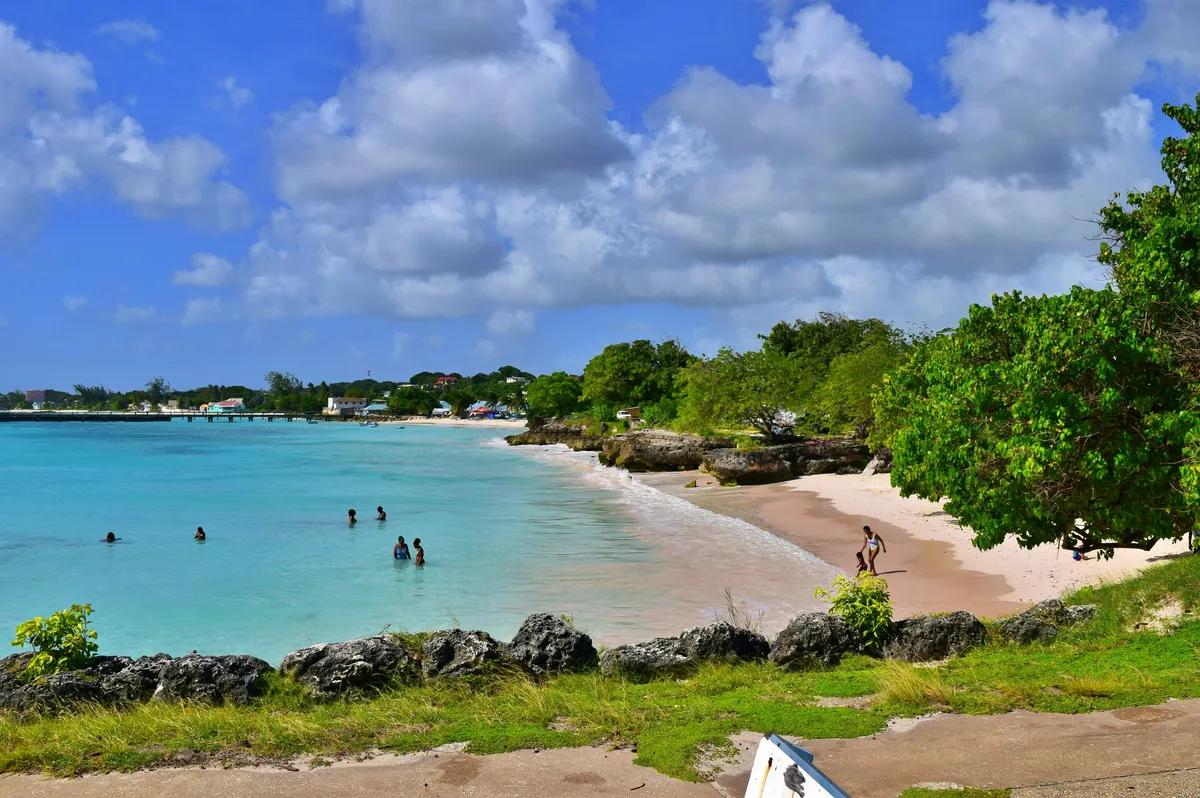
Barbados has two seas and three moods. The west coast faces the Caribbean and is usually calm enough to float in. The south coast catches the trade winds, with reef-protected bays and lively breaks. The east and south east face the open Atlantic, where the scenery is the best on the island and the water is often too rough to swim in. Picking a beach is mostly a matter of picking a coast, and this guide sorts the 20 beaches we cover by coast first and then by what each one suits.
Two facts shape every beach day here. First, Visit Barbados, the island's tourism authority, states that all beaches in Barbados are open to the public and access to them is a right of every Barbadian. Second, conditions change with the season and the tide, and lifeguards are only at some beaches for part of the day. Read the safety section before you head to the Atlantic side.
Quick picks by what you want
- Calmest swimming: Paynes Bay, Mullins Beach, Heywoods Beach and the cove side of Miami Beach.
- Families with young children: Folkestone Beach, Batts Rock Beach, Accra Beach and, on the east coast, Bath Beach.
- Snorkelling and turtles: Carlisle Bay, Paynes Bay, Folkestone and Dover Beach.
- Surf, wind and scenery: Bathsheba (the Soup Bowl), Silver Sands, Crane Beach, Bottom Bay, Foul Bay and Cattlewash.
Carlisle Bay and the Bridgetown beaches
Bridgetown has Carlisle Bay to the south and other beaches north of the port in St Michael. The bay is a protected marine area, the Carlisle Bay Marine Park, managed by the Coastal Zone Management Unit, with six major wrecks listed by Visit Barbados. Visit Barbados names Carlisle Bay among the top places to see sea turtles, making it an option to consider if you are staying in town or on the south coast.
- Carlisle Bay is the main stretch of sand, usually calm, with catamarans and snorkel boats coming and going. The Browne's Beach section has lifeguards on duty, according to the tourism authority.
- Pebbles Beach is the southern end of the bay. Early in the morning, racehorses from the nearby Garrison are walked into the sea, and reef fish draw snorkellers once the horses have gone.
- Brighton Beach lies north of the port, a long and roomy beach for a walk on the sand, with sunsets across open water.
- Batts Rock Beach at Black Rock is narrow and sits below a cliff, but has showers, a play park, picnic benches and calm rock-free spots for casual swimmers. Visit Barbados notes it is popular with snorkellers.
Rules in the marine park are simple: do not take any sea life, do not fish, and do not touch or feed the turtles. The tourism authority advises snorkelling when few boats are around. If you would rather go with a guide, see swimming with turtles, snorkelling and catamaran cruises.
West coast: the calm Caribbean side
The St James and St Peter coast, running north from Bridgetown through Holetown to Speightstown, has the gentlest water on the island for most of the year. Visit Barbados describes the west coast as calm water and white sand. The one exception is the winter swell: the government's Coastal Zone Management Unit says high waves are generated from November to April and that the west coast feels the most severe effects. On a swell day, stay out unless a lifeguard advises that swimming is safe.
Calm swimming
- Paynes Bay is a long, calm bay in St James and one of the beaches where the tourism authority says you can find turtles by swimming out from the shore.
- Sandy Lane Beach has golden sand and clear water in front of the resort of the same name. It is public: Visit Barbados notes several access points. Chairs and restaurants are not readily available, so bring what you need.
- Mullins Beach in St Peter has calm water that the tourism authority calls suitable for swimmers of all abilities, plus a restaurant and beach bar, jet skis and glass-bottom boats. It gets busy, so arrive early.
- Gibbes Beach is another west coast option.
- Heywoods Beach, just north of Speightstown, is for quiet sea baths and boat watching. Visit Barbados lists a lifeguard on duty but no beach facility.
Snorkelling and families
Folkestone Beach is the shore of the Folkestone Marine Park just north of Holetown: a protected inshore reef for snorkelling, a sunken barge, a small marine museum and picnic tables in the shade. As of November 2026 the tourism authority lists the park as open Monday to Friday from 9:00 to 17:00. It is the best all-round family beach on this coast, and the tourism authority's advice for the marine parks is to stay close to the shore. For diving further out, see scuba diving.
South coast: reefs, breeze and a bit of surf
The Christ Church coast between Hastings and Worthing and Oistins is a base to consider, and its beaches have restaurants and bars a few steps away. The water is often reef-protected but livelier than in the west. The National Conservation Commission currently lists patrols at Dover and Enterprise; check supervision on arrival.
- Accra Beach (Rockley Beach) is wide, with room to spread out. At low tide, snorkellers can wade past the rocks to pools full of fish; at high tide the waves suit bodyboarding. There is a play park just behind the sand and buses stop close by.
- Dover Beach sits beside St Lawrence Gap, a broad beach with hotels and bars nearby. Visit Barbados lists it among the top turtle-spotting places.
- Miami Beach (Enterprise Beach) is two minutes from Oistins and has two faces: a sheltered cove on the western side for calm swimming and more swell and stronger currents on the eastern side, plus picnic tables, a beach facility and a lifeguard. Pair it with a visit to Oistins Fish Fry.
- Silver Sands Beach, near the southern tip, is a quarter mile of pale sand with steady wind. Visit Barbados warns that undercurrents make it precarious for anyone who is not a strong swimmer. It is a wind beach first: see kitesurfing and windsurfing.
South east: cliffs, pink sand and big water
Around The Crane in St Philip, the coast turns to face the Atlantic. These beaches are some of the most photographed on the island, and the swimming advice changes with them.
- Crane Beach is a cove of pink-tinged sand below the cliffs, with Atlantic waves that suit bodyboarding. The Crane Resort says its government lifeguard station is not staffed daily. Check that a lifeguard is present and follow their advice before swimming; never enter under a red flag.
- Bottom Bay is a cove of sand and palms ringed by coral cliffs. The tourism authority says plainly that bathing is not recommended because the waves are very strong. Come for photos and a picnic.
- Foul Bay is long, wide and usually empty. It is open to the Atlantic; current lifeguard cover could not be confirmed. Treat it as a beach for walking.
East coast: surf and scenery only (with one exception)
The east coast of St Joseph and St John, around Bathsheba and the Scotland District, is the island at its wildest: boulders in the surf, long empty sands and the trade winds blowing straight in. The UK government's travel advice says swimming is not recommended on many east coast beaches because the currents are particularly strong.
- Bathsheba Beach is home to the Soup Bowl, the island's best-known surf break, with waves driven by the north east trade winds. Visit Barbados says it is not the best for the average swimmer. Watch the surfers from the sand, or read about surfing in Barbados if you ride waves yourself.
- Cattlewash Beach runs beside the East Coast Road north of Bathsheba: a long walk on the sand with big waves. Check current supervision locally. Do not swim in the open sea here.
- Bath Beach in St John is the exception. Offshore reefs calm the water, and the tourism authority says it has some of the calmest water on the east coast, with casuarina trees for shade and picnic space. Visit Barbados lists a lifeguard on duty, but families should check conditions and supervision before entering.
Consider combining a beach visit with sightseeing at Farley Hill National Park, Cherry Tree Hill or Andromeda Botanic Gardens; plan your route before setting out.
Swimming safety: what the official sources say
- Atlantic side: on the east and south east coasts, assume the sea is unsafe unless you are at a lifeguarded beach and the flags say otherwise. Visit Barbados lists no lifeguard at Silver Sands. Lifeguard cover at Bottom Bay and Foul Bay could not be confirmed.
- Calm coasts are not risk free: the UK travel advice warns that currents can be deceptively strong on some popular south and west coast beaches too, and that some beaches have no lifeguards or warning flags.
- Flags: the National Conservation Commission says yellow means take care in moderate conditions and red means do not swim. No flag means the beach is not patrolled at that moment, not that swimming is safe.
- Hours: lifeguard stations are not staffed around the clock. Swim during the day, near the station.
- Winter swells from November to April hit the west coast hardest, so a normally calm bay can have breaking waves when swell reaches the shore.
Emergency numbers are on our emergency contacts page, and our safety guide covers the wider picture.
Public access and getting to the beach
Because every beach is public, reach it using designated public accesses. Public beach access does not give permission to cross private hotel or villa grounds. Use the public paths between properties, which are often narrow lanes off the main coast road. What is private is the hotel's sunbeds, bars and grounds, so expect to rent a chair or bring a towel.
The west and south coast beaches are on the main bus routes, and the BDS$3.50 flat fare, as of November 2026, gets you to most of them; see getting around Barbados. For the south east and east coast, a hire car or a taxi is more practical. Visitors no longer buy a driving permit: since 15 October 2025 the Barbados Revenue Authority's Car Rental Levy, collected by the rental company, has replaced it. As of November 2026 it is BBD 5 a day, capped at BBD 35 per rental and included in the rental fee.
Planning beach days
For seasonal weather and sea conditions, see the best time to visit Barbados and check the weather page. Choose your base by the kind of beach you want with where to stay in Barbados, and the 7-day family itinerary spreads the calm beaches across a week. All 20 beaches are on our beaches page.
Frequently Asked Questions
Which coast of Barbados has the calmest water?
The west coast. Visit Barbados describes it as calm water and white sand, and beaches such as Paynes Bay, Mullins and Heywoods are described as calm, but swimmers should check conditions and supervision. The exception is the winter swell from November to April, which the Coastal Zone Management Unit says hits the west coast hardest.
Are all beaches in Barbados public?
Yes. Visit Barbados states that all beaches in Barbados are open to the public and that access is a right of every Barbadian. Hotel sunbeds and facilities are private, but the sand is not, and public paths lead down between properties.
Can you swim on the east coast of Barbados?
Mostly not. The UK travel advice says swimming is not recommended on many east coast beaches because of strong currents, and Visit Barbados says bathing at Bottom Bay is not recommended. Bath Beach, where reefs calm the water and a lifeguard station is listed, is the main exception.
Where can I swim with turtles in Barbados?
Visit Barbados names Carlisle Bay, Holetown, Dover Beach and Drill Hall as top turtle-spotting places, and says turtles can also be found by swimming at Paynes Bay. Do not touch or feed them, and snorkel when few boats are around.
Which Barbados beaches have lifeguards?
The National Conservation Commission lists patrols at Miami (Enterprise), Dover and Browne's Beach. Visit Barbados also lists lifeguards at Accra (Rockley), Folkestone, Bathsheba, Bath and Heywoods, although Heywoods is absent from the National Conservation Commission supervised-beach list of February 2025, so do not rely on cover there. At Crane, the resort warns that the government station is not staffed daily. Stations are not staffed around the clock, so check the flags on arrival.
What is the best beach in Barbados for families?
Folkestone Beach suits families best on the west coast, with a protected snorkel reef, shade and picnic tables. On the south coast, Accra Beach has a play park and lifeguards, and the cove side of Miami Beach is calm.
Photo gallery
White sand beach and clear turquoise Caribbean water in Barbados
Photo by Anthony Ingham on Unsplash · Unsplash License